

Everyone knows that chocolate is made from cocoa, but how is it actually grown?
The journey from a tiny seed to the rich, flavourful beans used in chocolate takes patience, care, and a deep understanding of nature. Like most delicious things, growing cocoa is a combination of craft and science!
At The Cocoa Circle, we believe the best way to tell this story is straight from the source, through the eyes of cocoa farmers—the dedicated hands behind every pod.
Growing cocoa is about nurturing young trees, protecting delicate flowers, and waiting years before the first harvest. Over the next five years, a cocoa tree transforms, facing challenges and rewards along the way. Let’s walk through this process step by step, straight from the farms we collaborate with!
Exploring Cocoa Tree Varieties and Their Characteristics

So, what conditions do cocoa trees need to grow? The cocoa tree, or Theobroma cacao, thrives in warm, humid climates surrounded by shade. Growing as tall as 15 to 25 feet, it takes on average three to five years before a tree produces its first cocoa pods. Once mature, it can keep producing pods for decades. There are three main ‘umbrella’ cocoa varieties:
1. Forastero – The most widely grown and resilient; Forastero delivers strong, earthy flavours and high yields. It mainly grows in West Africa, and is the go-to choice for bulk chocolate production, like commercial chocolate bars and coatings. It’s also a good choice for cocoa powder production thanks to its bold, deep cocoa notes.
2. Criollo – One of the rarer and more expensive varieties; Criollo has delicate flavours with floral and nutty notes. It mainly grows in Latin America. Thanks to its natural high cocoa-butter content and low bitterness, it shines in artisanal products like single-origin chocolate bars. 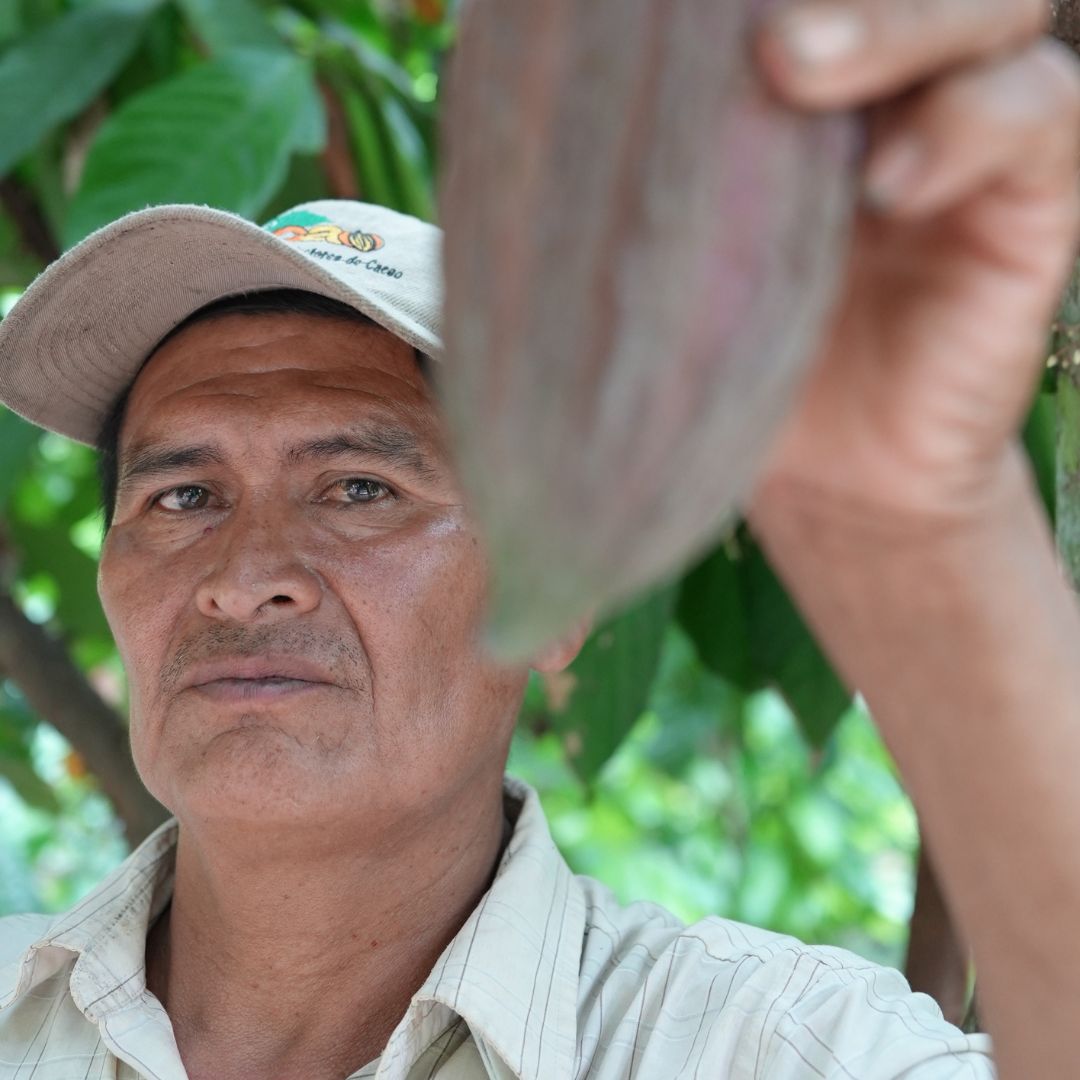
3. Trinitario – A hybrid of the two, Trinitario balances rich flavours with disease resistance. It is grown in many regions. Thanks to its durability and excellent flavour profile, it’s a common choice for bean-to-bar craft chocolate or high-quality cacao nibs.
From Planting Seeds to Harvesting in 5 Years Time
Growing cocoa trees is a carefully managed process that takes time and care. We’re going to take a look at how cocoa is grown with insights offered by the cocoa farmers of Mexico we collaborate with.
1. Cultivation Methods: Growing Seedlings & Grafting Cocoa
On our visit to Mexico, Finca Las Delias cocoa farmer Alma Hema explained the two methods of cultivating cocoa.
“The original (method) is by seed. You have the seeds, you put it in the soil and it grows.” Fresh seeds from ripe cocoa pods are planted within 15 days after harvest in a shaded nursery. When ready, it is removed from the nursery bed and planted in the field!

The second way to cultivate cocoa is by grafting. “You start with one tree, when it is a baby, you put the leaf of another one inside (cut rootstock). This makes them start growing together. Then you start pruning the original one until it becomes part of the original tree.”
2. Nurturing the Young Trees
Once the young tree is in the soil, there’s plenty more work to do yet. With it taking around five years for a cocoa tree to bear fruit, it needs lots of love and attention to get there. 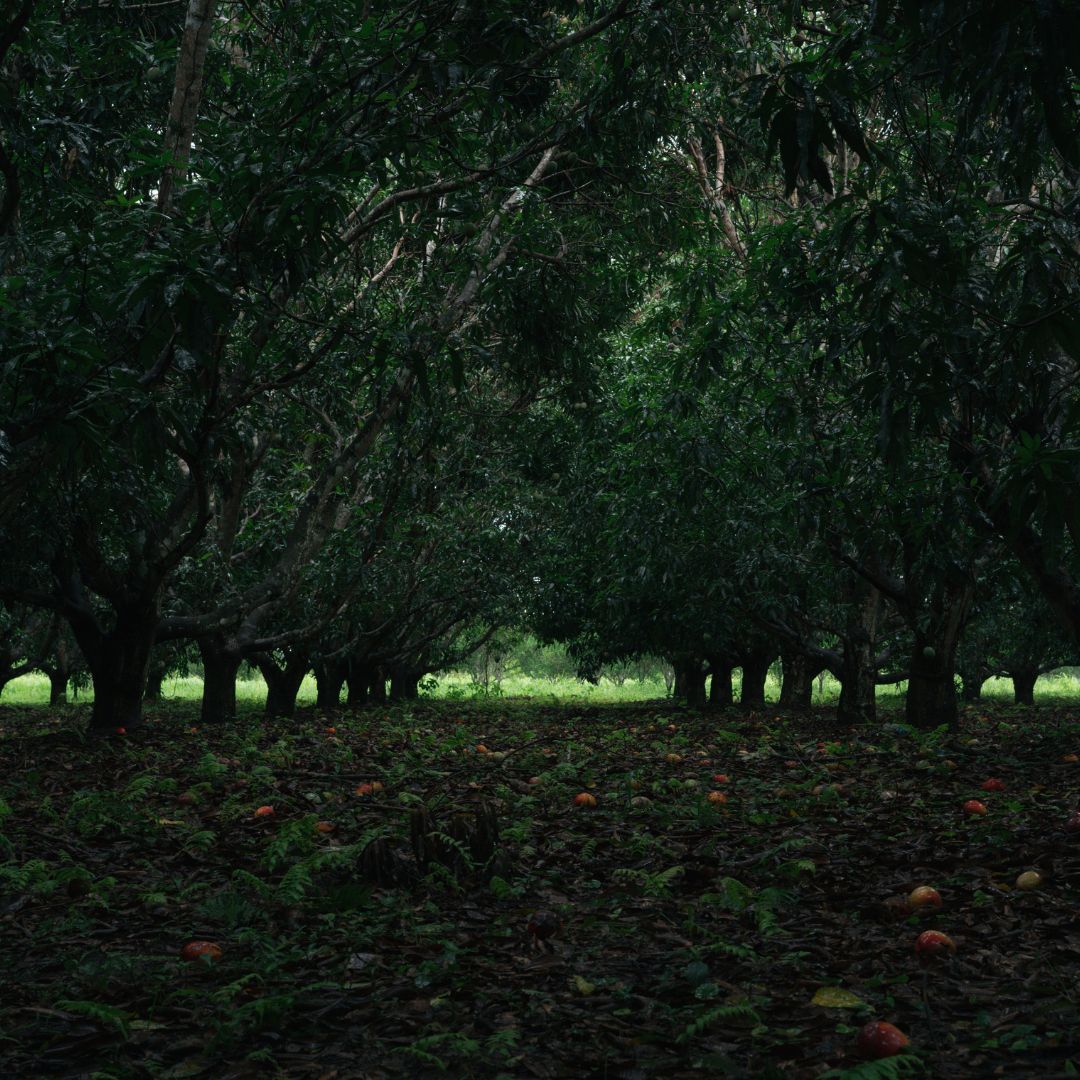 The golden rule — cocoa seedlings love the shade! Farmers often plant taller trees like banana or orange trees to protect cocoa from harsh sunlight.
When visiting her farm in Tabasco, cocoa farmer Liliana Bruno of Finca Cacayo explained “we have many older trees that were here before (we started), which help and protect the cacao and provide the necessary shade for it to grow.”
3. Waiting Patiently for Pod Formation
After a few years, the trees begin to flower, producing thousands of delicate pink and white flowers covering the tree’s trunk and main branches. While the cocoa tree blooms and bears fruit the whole year round, each flower blooms for only a single day.
After about five months a small proportion of the thousands of flowers transform into colourful cocoa pods.

4. The Long Awaited Harvesting Time!
Now the fun part begins! It’s time to collect the cocoa pods. Farmers hand-harvest cocoa pods using knives or machetes to carefully cut them from the trees. The pods are then split open, and the beans are removed before beginning the fermentation and drying process: the first steps in turning raw cocoa into chocolate.
Learn more in our complete guide to harvesting cocoa. If you want to know how to chocolate flavour is created? Read our article on fermenting cocoa beans.
What Conditions Do Cocoa Trees Need to Grow?
Cocoa is picky about where it grows. It thrives in both rainy (humid) and dry (seasonal) tropical climates, but it requires a minimum level of rainfall to grow successfully, plus some drier months for proper pod ripening. The perfect conditions?
- Climate: Tropical environments close to the equator (within 20 degrees)
- Temperature: Year-round temperatures between 21°C and 30°C (70°F–86°F)
- Rainfall: Ideally 1,500-2,000mm per year (minimum 1,000-1,500mm)
- Shade: Grown under taller trees to protect from extreme sun
- Soil: Nutrient-rich, well-drained, with plenty of organic matter
Cocoa Around the World: Differences in Regions
Cocoa is cultivated in three main regions: Africa, Latin America, and Asia. Each region brings its own unique ‘terroir’ or environmental flavours, farming methods, and stories to the final result. 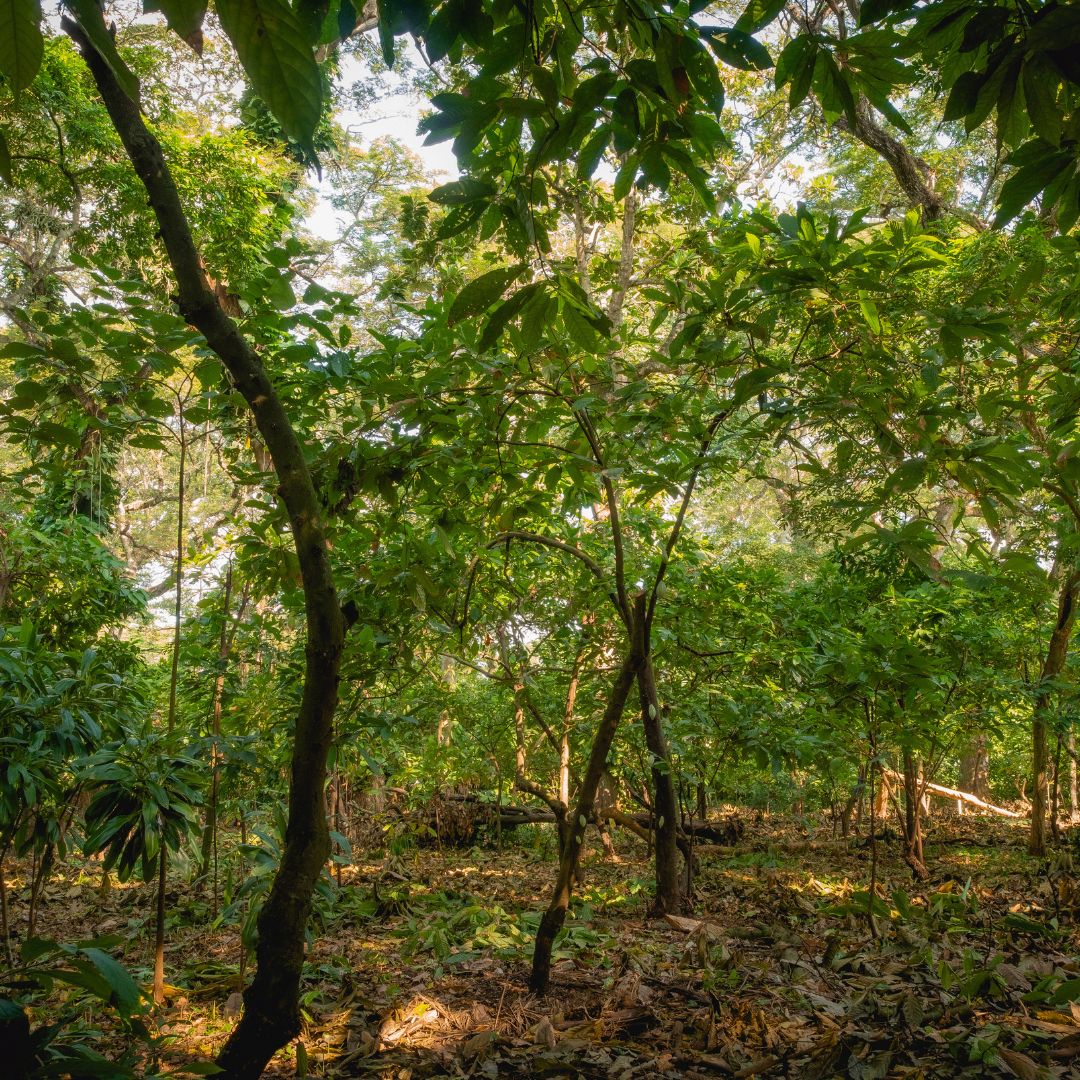
Latin America: The Birthplace of Cocoa
Latin America is where cocoa’s story began. Countries like Ecuador, Brazil, and Peru produce some of the finest Criollo cacao beans, renowned for their delicate, fruity, and floral notes. Native to Latin America, these beans have a high cocoa butter content, perfect for high-end, artisanal chocolates.
More recently, Trinitario entered the varietal mix in Latin America, introduced to save Criollo from extinction.
Africa: The Powerhouse
Africa leads the world in cocoa production at scale, with Côte d'Ivoire and Ghana producing the largest share of the global crop. The region is known for Forastero cocoa, commercially prized for its robust flavour and resilience: perfect for making rich, everyday chocolate.
Asia: The Rising Star
Asia’s cocoa industry is growing fast, with Indonesia leading the charge and India, the Philippines, Malaysia and Vietnam on the rise. Thanks to their unique climates, cocoa from this region often carries distinct spice and woody flavours.
The Cocoa Farms
About 90% of cocoa farms worldwide are small, family-run businesses. Many farmers work hard to grow cocoa sustainably, but face tough economic challenges due to low market prices and climate change.
At The Cocoa Circle, we’re on a mission to get to know cocoa farmers around the world using agroforestry practices to grow cocoa sustainably. 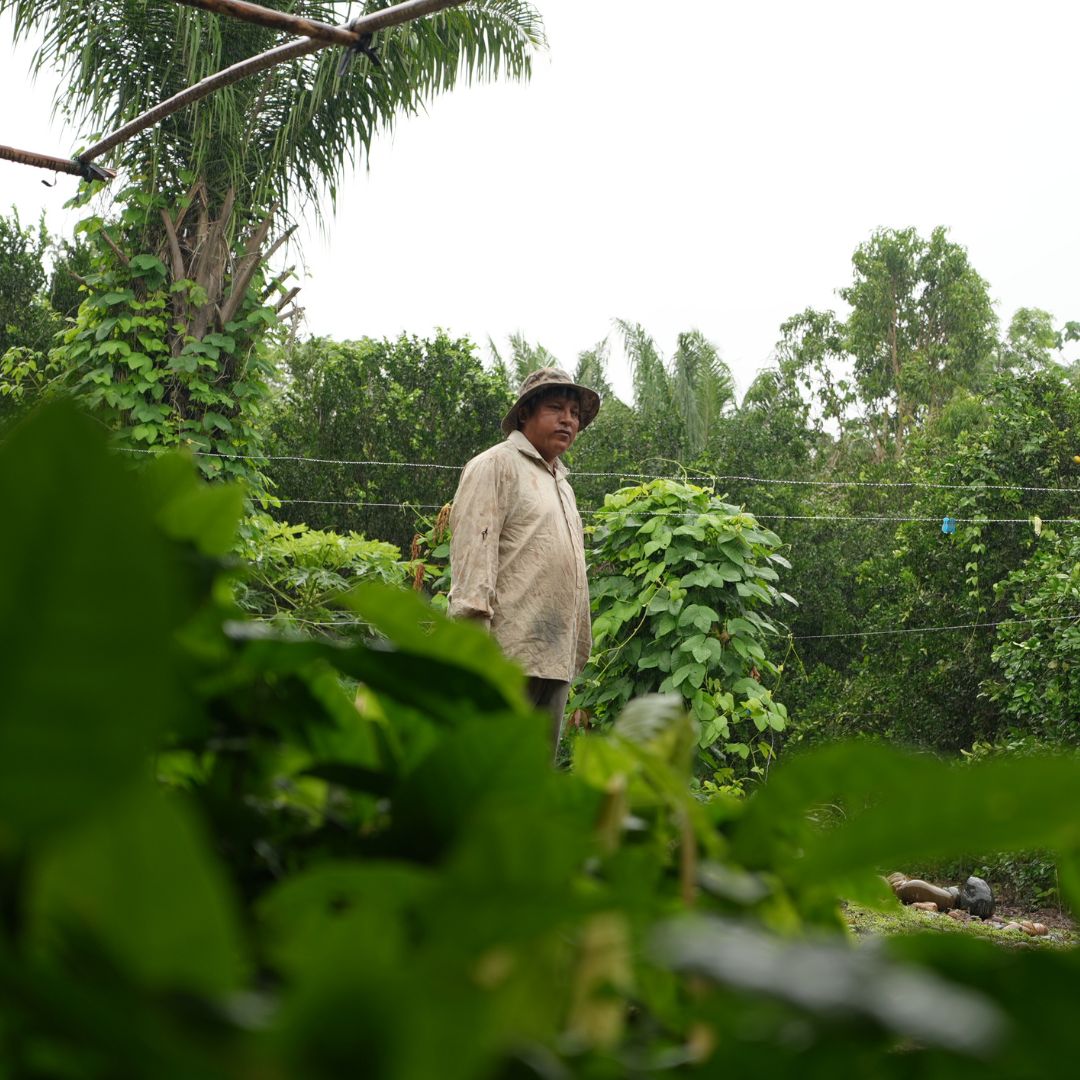
We’ve started our journey in Mexico. While visiting in 2024, we met inspiring farmers growing cocoa on their lush family-run farms. Each managed their farms using agroforestry practices, featuring its own diverse mix of plants and shade trees. In many cases, choosing to maintain their family farms has saved the land from being sold and cleared for cattle farming.
Overcoming Environmental Challenges with Organic Fertiliser
It’s no secret: climate change can be added to the stack of challenges that threaten the future of cocoa farms. Rising temperatures, unpredictable rain, and soil degradation makes growing cocoa consistently increasingly difficult.
In response, many cocoa farmers like Lily of Finca Cacayo, Viridiana of Hacienda RC and Estelita of La Campesina Del Cacao produce their own organic fertilisers from organic leaf and plant matter to boost soil fertility and fuel the young trees with nutrients. When visiting her farm, Viridiana explained “We nourish our young cocoa plants with natural fertilisers and with organic vials,” helping them overcome challenges amplified by climate change. “We make them right here on the farm and we are constantly watering and nourishing the plant in drought.”
Meanwhile, Estelita has also been showing that “it is indeed not necessary to apply any chemicals. We prepare our own mineral broths, our own biofertilizers and using the same leaves of the tree, we are making soil and seeing the results.” 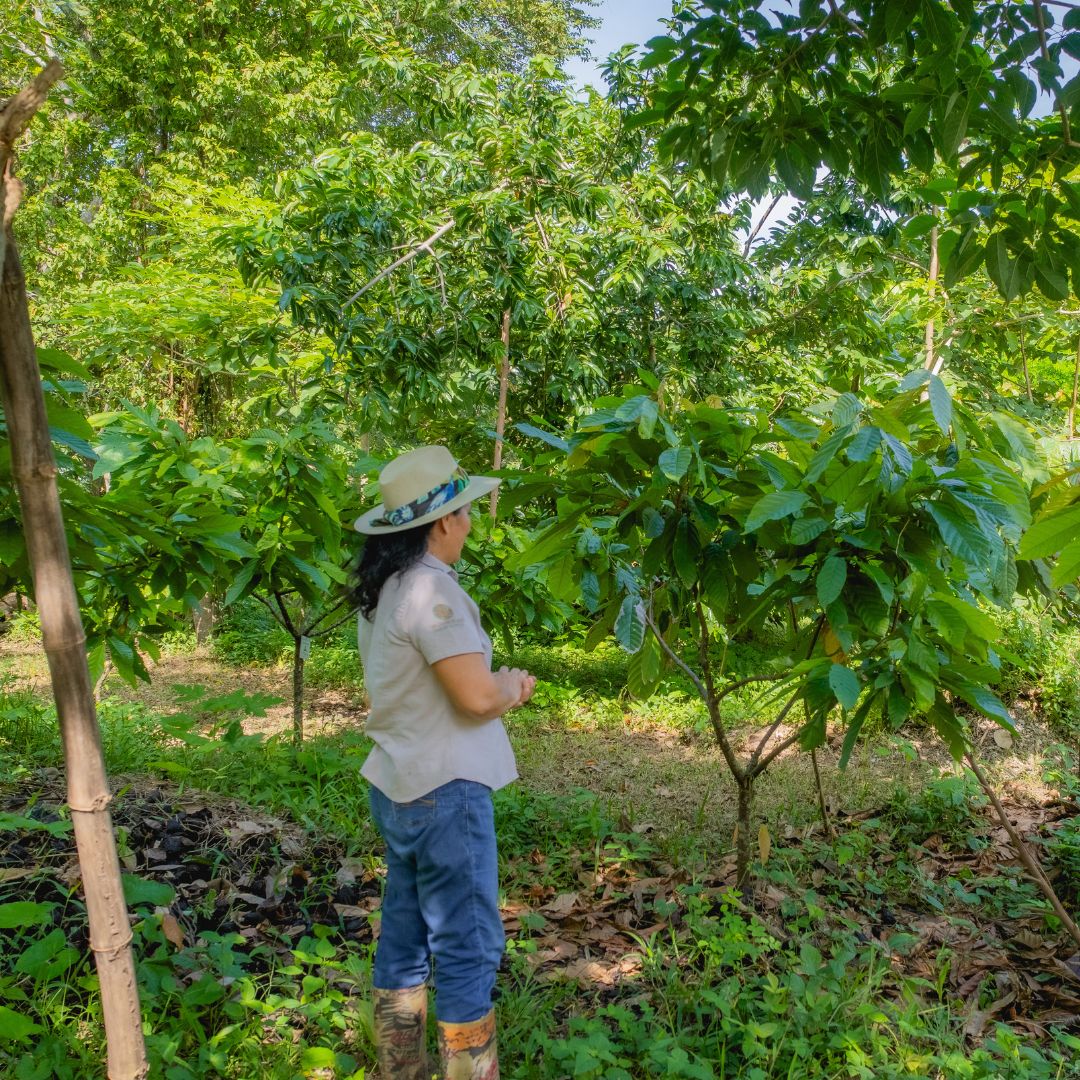
“Many temperatures were tremendous (this year), but the cocoa trees did not die, rather they remained and right now, at this moment, they are flowering,” says Estelita. Each of the farmers we met in Mexico have shared stories of harvest periods shifting, yields reducing, and inconsistent conditions for drying beans. It’s a constant battle to curb the effects of climate change and maintain economically viable conditions for growing sustainable cocoa.
That’s why we want to help. At The Cocoa Circle, we’re working to change this. With each purchase of our cocoa products, we direct revenue to fund sustainability micro-projects for our farmer collaborations. That means more trees and better tools and equipment for farmers like Lily, Viri, Estelita, and Alma who deserve support.
So, by choosing our cocoa products, you’re helping to keep the bean to baking circle turning.

FAQ
How long does a cocoa tree take to grow?
Around 3–5 years before producing pods.
Where is cocoa grown?
Mostly within about 20° north and south of the equator.
What climate does cocoa need?
Warm temperatures, high humidity, regular rainfall and shade.
What are the main cocoa varieties?
There are three main cocoa varieties: Forastero, Criollo and Trinitario.
How is cocoa grown sustainably?
Sustainable cocoa is commonly grown using agroforestry, where cocoa trees are cultivated alongside shade trees to support biodiversity and healthier soils. Combined with regenerative farming practices, this helps farms become more resilient to climate change.

 1.5 - 2 hours
 Medium


