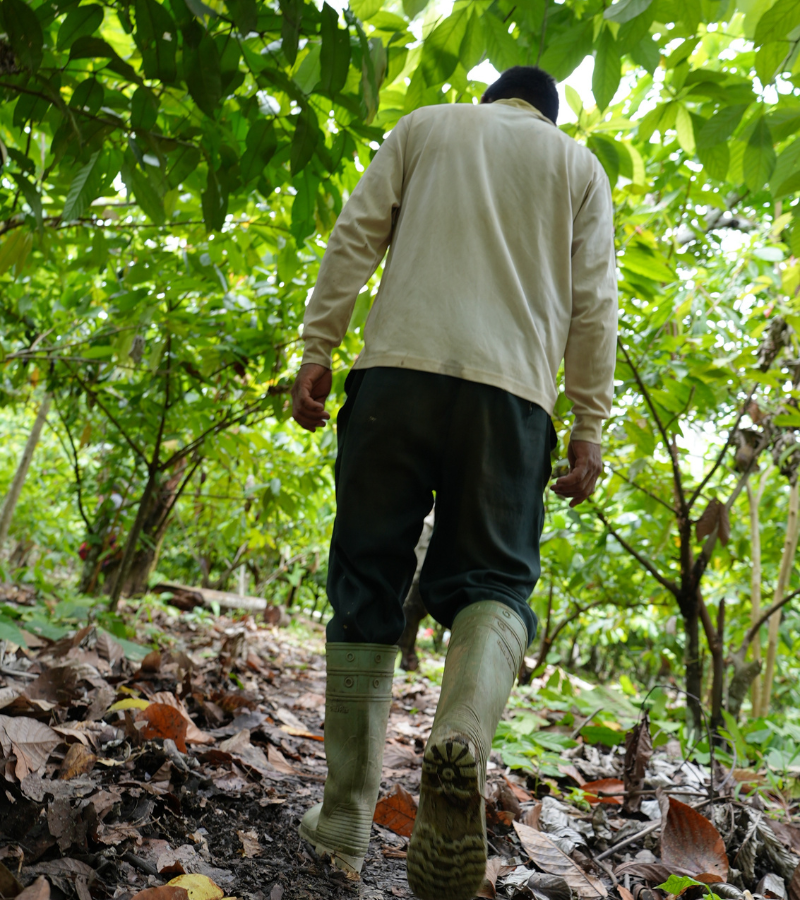
Behind every spoonful of cocoa are some growing challenges: shifting climates, changing tastes, and communities trying to keep a timeless tradition alive. Through all of this uncertainty, what does the future of cocoa look like?
Cocoa is everywhere. Whether you know it as cocoa or cacao, it’s one of the world’s most traded (and most loved) commodities. It connects millions of lives, from the farmers who grow the beans to the bakers who whisk it into something magical.
But now, the future of this beloved bean is at a crossroads. As climate pressures rise and consumer habits evolve, the choices we make today will decide whether cocoa remains a symbol of joy and connection or becomes something we lose to a rapidly changing world.
Already, a global cocoa shortage is rippling through the supply chain, from farmer to consumer.
The cURRENT STATE OF COCOA
Cocoa is the lifeblood of the global chocolate industry, and it’s also one of the most fragile supply chains on Earth. Around 90% of the world’s cocoa comes from smallholder farms across West Africa and Latin America, where millions of families depend on it for their livelihoods. But behind every bar of chocolate lies a reality that’s increasingly hard to ignore.
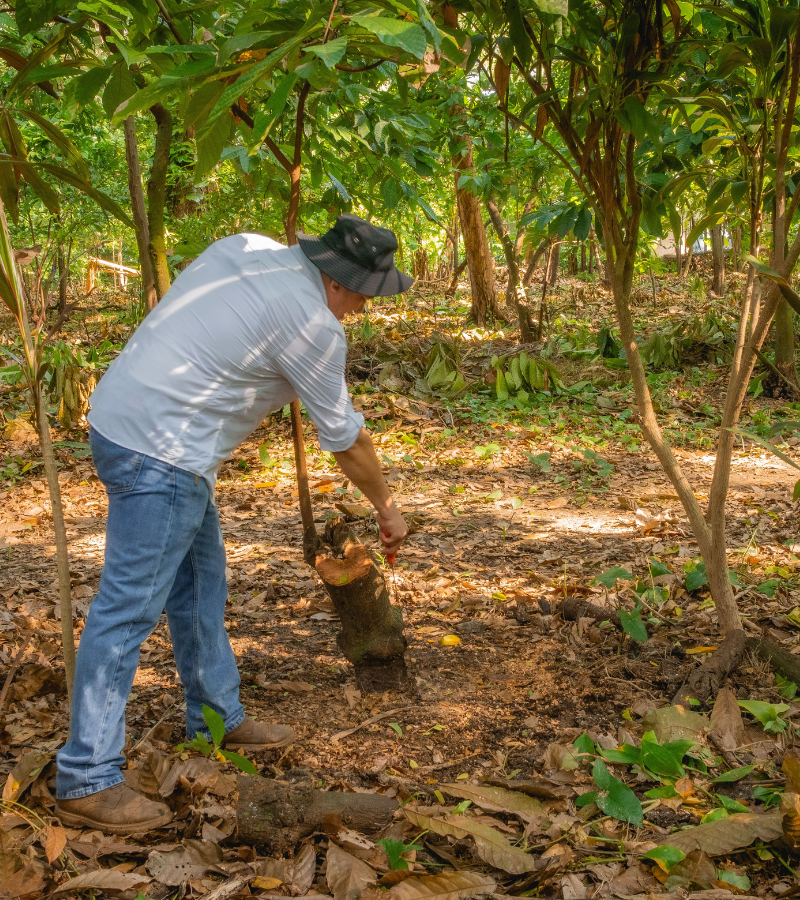
CURRENT STATE FOR FARMERS
What’s it like for the ones behind it all? Farmers in top cocoa-producing regions like West Africa and Latin America form the backbone of global cocoa supply. Yet many face growing economic and environmental pressure.
Deforestation: As farmers cleared land to grow more cocoa, Ivory Coast, for instance has lost about half its forest cover, and Ghana continues to lose around 2% each year. What once seemed like growth has backfired, as disappearing forests weaken the soil, making cocoa harder to grow. This forces farmers to open up even more land just to maintain the same yields.
Climate Change: Cocoa thrives on stability: steady rain, warm temperatures, predictable seasons. Droughts and floods linked to climate shifts (and events like El Niño) are slashing yields and spreading disease across cocoa crops.
Fertiliser access: Rising global fertiliser costs are worsened by geopolitical crises. This makes it harder for farmers to maintain soil health and productivity.
Aging workforce: The average cocoa farmer is now over 50. Younger generations, seeking better income opportunities, are moving away from farming communities.
Low income: Most smallholder farmers earn below a living wage, leaving little to reinvest in sustainable practices. This cycle of poverty keeps farmers vulnerable, even as the world’s demand for chocolate grows.
The irony? These are the very hands that make chocolate possible and yet they reap the smallest share of its reward.
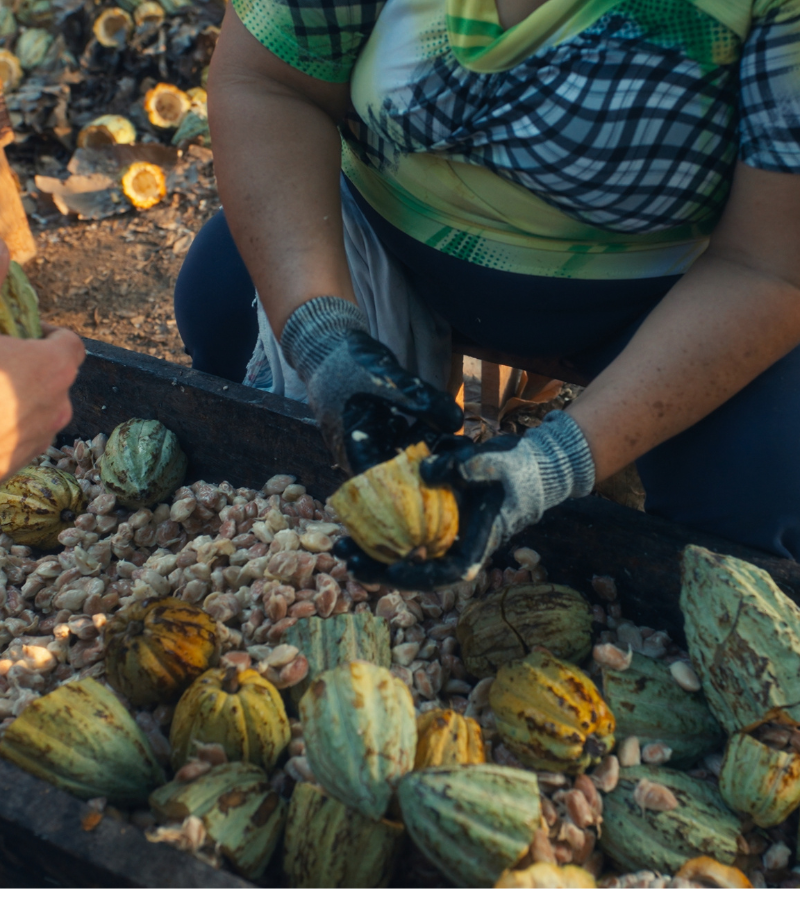
current State for consumers
On the other side of the equation, consumers are feeling the effects too. Global demand continues to rise, especially in Asia, where chocolate is fast becoming a lifestyle staple.
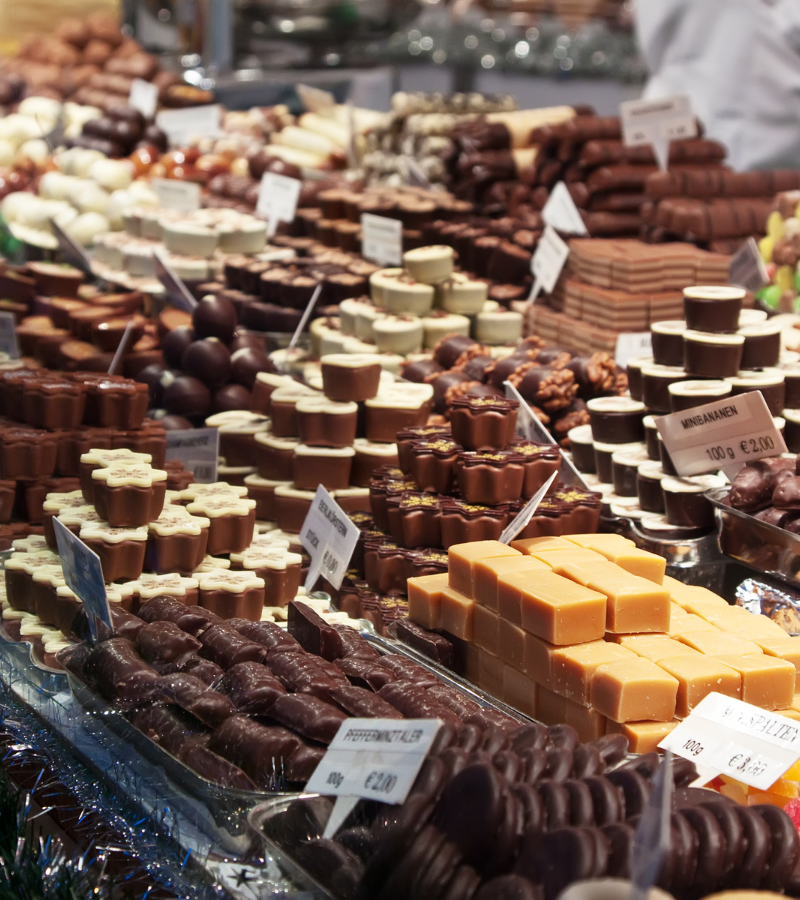
Higher prices: Cocoa prices hit record highs of around $10,000 per ton this year (that’s more expensive than copper!). It’s all driven by climate shocks, tight supply, and a global cocoa shortagethat’s reshaping the entire market.
Health-driven choices: From dark and organic to vegan and sugar-free, health-conscious consumers are reshaping how chocolate is made and marketed.
Seasonal demand: Holidays like Easter, Christmas, and Valentine’s Day continue to anchor the global chocolate calendar.
Industrial reliance: A handful of corporations, like Nestlé, Mars, and Hershey still dominate the industry. The gap between what farmers earn and what consumers pay keeps growing, leaving farmers with less control and consumers with fewer real choices.
The Future of Cocoa
The future of cacao rests on one question: can the industry adapt fast enough to meet demand, and fairly enough to protect the people and the planet that sustain it?
future for farmers
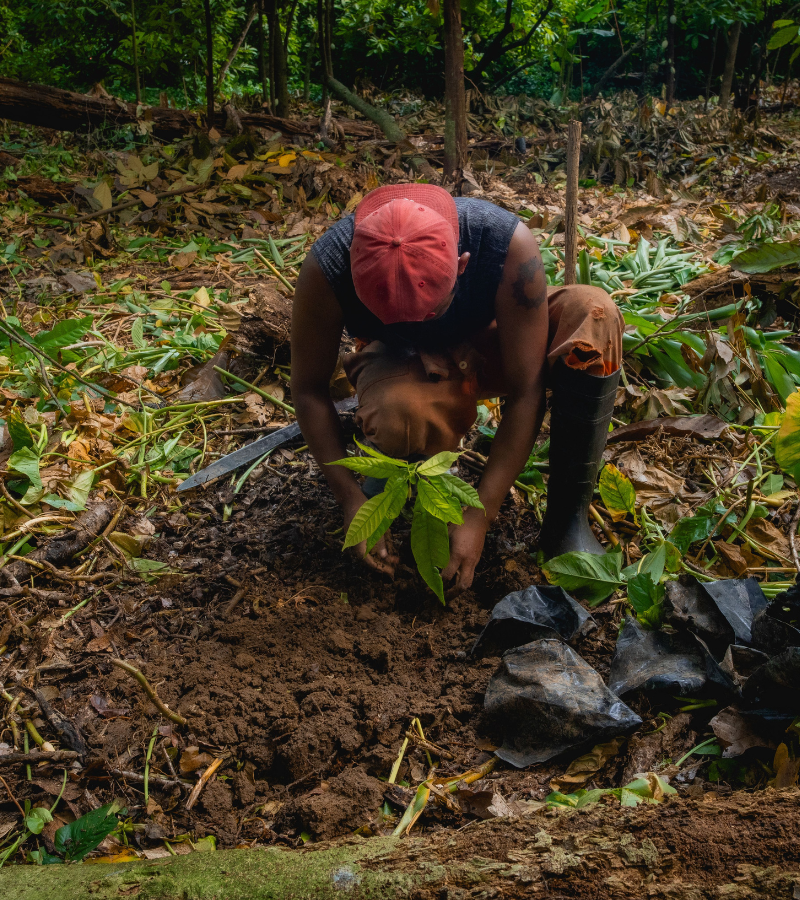
For farmers, survival means transformation. Climate-smart and community-led approaches are showing promise:
Agroforestry: Blending cocoa trees with shade crops lets farmers grow with the forest, not against it. This farming method restores biodiversity, improves soil health, and captures carbon.
Professionalization: Across Latin America, higher education and agro-ecological training are professionalizing farming, turning it into a skilled, sustainable, and future-facing business.
Sustainability certifications: Initiatives like the Cocoa & Forests Initiative and Rainforest Alliance certification are pushing for traceability and forest protection.
Generational renewal: There’s no future without the people. The challenge now is keeping younger generations interested. Bringing them back to cocoa farming with fair pay, access to technology, and pride in the craft.
With the right tools and income, cocoa growers could lead the next wave of sustainable agriculture rather than be left behind by it.

future for consumers
For consumers, change is already arriving on store shelves.
New markets rising: Asia, especially China and India, is shifting away from traditional sweets and emerging as the next frontier for chocolate culture, influencing everything from flavour trends to sourcing models.
Premium pricing: Unfortunately, we can expect chocolate to stay expensive. But it’ll also be more transparent, traceable and ethically sourced.
Product innovation: As consumers become aware of cocoa’s natural benefits, pure, less processed chocolate is making a comeback. When cocoa stays closer to its natural form, it keeps its real superpowers (magnesium, antioxidants, and mood-boosting minerals) that are often lost in conventional bars.
Sustainability as standard: Shoppers now expect chocolate that not only tastes good but is ethically sourced. They want to know where their cocoa comes from and how it supports the people who grow it.

What will the future bring?
The future of cacao is a balancing act. For farmers, it’s about building resilience through education, fair pay, and sustainable practices. For consumers, it means understanding that true indulgence comes with responsibility.
If the industry adapts, we’ll see a sweeter kind of progress. One which supports forests, fuels livelihoods, and continues to spark joy in kitchens worldwide. If not, we risk a future where deforestation deepens, farms disappear, and chocolate itself becomes a luxury few can afford.
In the end, cocoa and chocolate will probably continue to rise in price. But if we adapt, it will taste better, feel better and do better for the planet. If we don’t, it becomes scarce, exclusive, and out of touch with its roots.
At The Cocoa Circle, we believe better cocoa is possible when every link in the chain, from bean to bake, shares in its value. We contribute directly to the farmers who make it possible, invest in sustainable farming that protects their future, and inspire people everywhere to keep baking with cocoa with purpose. Because when cocoa is grown better, we all benefit.