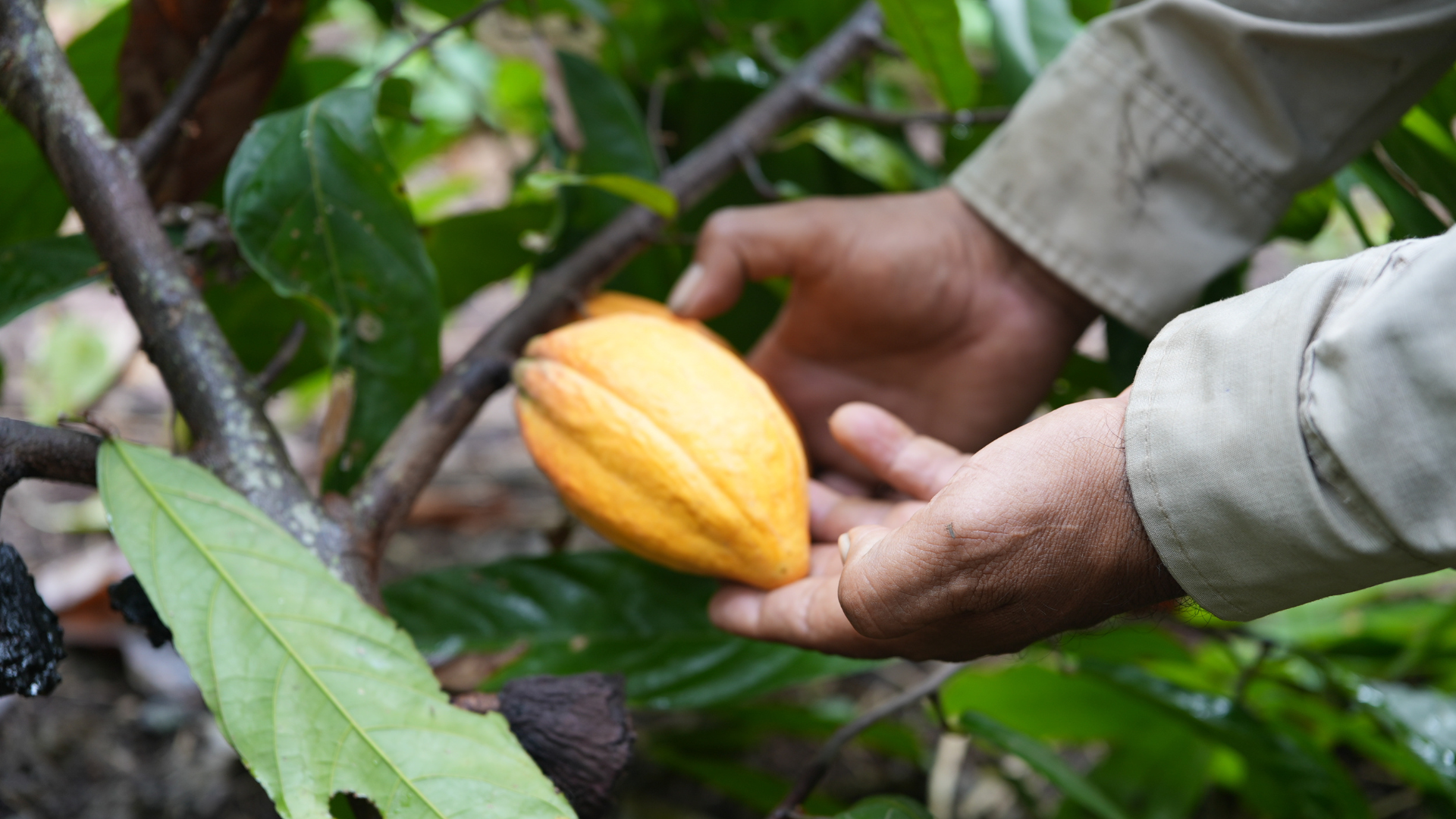
Ever wondered how a humble cocoa pod becomes the silky chocolate, rich cocoa powder, and creamy butter that bring joy to every bake? The journey from bean to chocolate is part science, part art. And for truly good cocoa, it also takes a whole lot of love.
From careful farming to slow roasting, each step of cacao bean processing brings out unique flavours, aromas, and textures. For chocolate lovers and ethical consumers, understanding things like what cocoa is, the difference between cacao and cocoa, and the process behind them matters. Because when you know the story, you taste the difference.
Whether you’re a curious foodie, a home baker, or simply a chocolate enthusiast, this guide takes you behind the scenes, step-by-step, showing how raw beans are transformed into the cocoa goodness that fills your favourite recipes.
What Is Cacao Bean Processing?
Cacao bean processing is when raw cacao beans are transformed into the rich cocoa powders, silky butters, and smooth chocolates we know and love. After farmers harvest, ferment, and dry the beans (the ‘production’ stage), the beans leave the farm and enter the ‘processing’ stage.
They’re cleaned, roasted, and ground to release rich cocoa liquor before being pressed to produce smooth cocoa butter and cocoa cake (the foundation for delicious cocoa powder). Each stage unlocks new layers of character and complexity. Cocoa processing doesn’t just shape its taste and quality; it also carries the story of the people and places behind every bite.
Curious where it all starts? Discover what raw cocoa is and see how these humble beans begin their delicious journey.
The Cocoa Bean Journey: Step by Step
From tree to treat, every stage of the cocoa journey plays a part in creating the flavours behind your favourite bakes. Let’s break down the steps.
1. Growing Cocoa
The production of every chocolatey delight starts on the tree. Cocoa grows best in tropical regions like Côte d’Ivoire, Ghana, Ecuador, and Indonesia each lending its own unique flavour notes, from bright and fruity to deep and nutty. That’s why these countries tend to be the world leaders in cacao production.
The care farmers give their trees, from soil to harvest, makes all the difference. Each bean carries the taste of its home and the dedication of the people who grow it.
2. Harvesting Cocoa
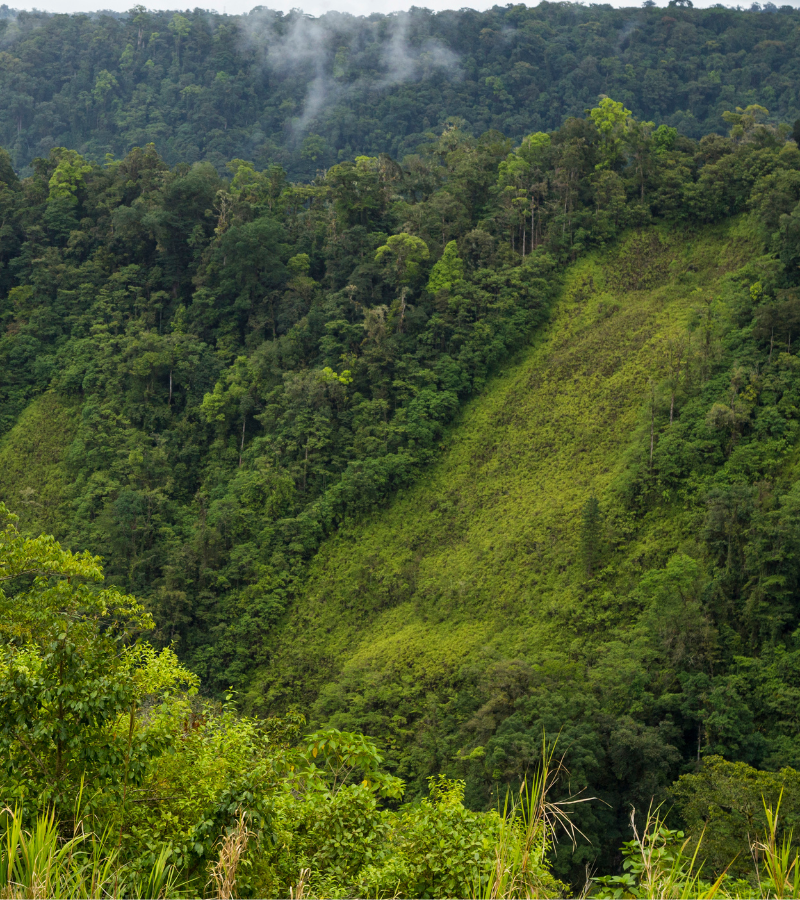
Once the pods ripen, farmers carefully cut them from the trees by hand. No machines here, just skill and precision. Each pod is split open to reveal the cacao beans inside, wrapped in sweet, white pulp.
The harvesting process is all about timing and care: choosing pods at their peak ensures the best flavour foundation for everything that comes next.

3. Fermenting Cocoa
Next comes fermentation: where the magic (and aroma) really start to build. The beans, still in their pulp, are piled into boxes or baskets and covered to retain heat. Natural yeasts and bacteria get to work, turning sugars into complex flavours and reducing bitterness.
Longer fermentation brings deeper, richer notes; shorter ones keep things bright and fruity. Either way, this is where raw beans start to taste like chocolate.
4. Drying Cocoa
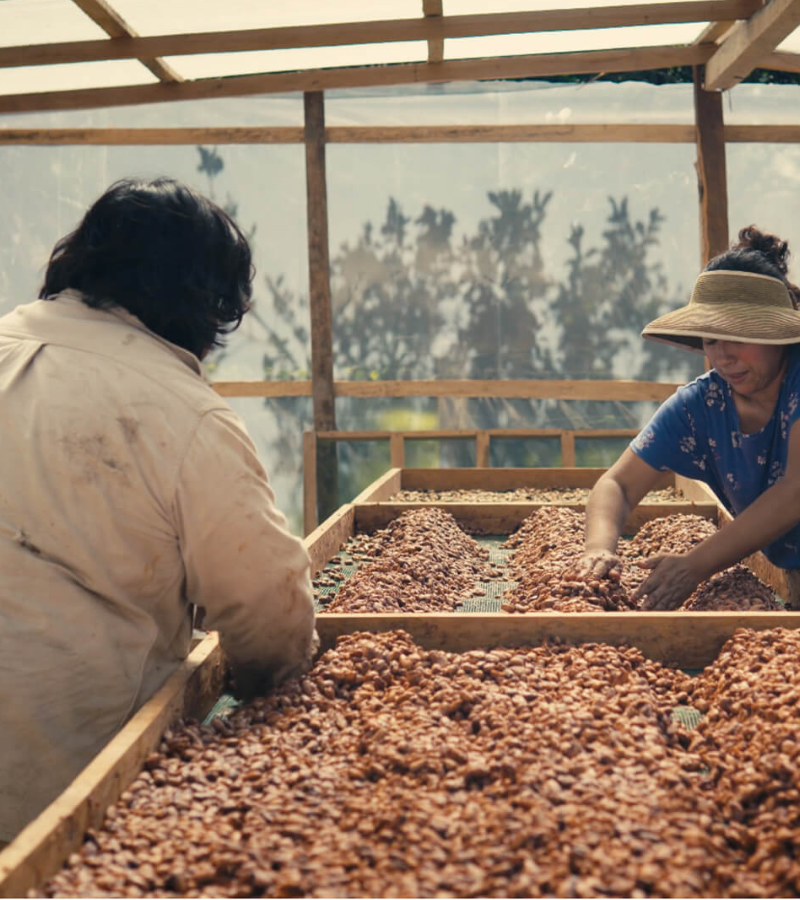
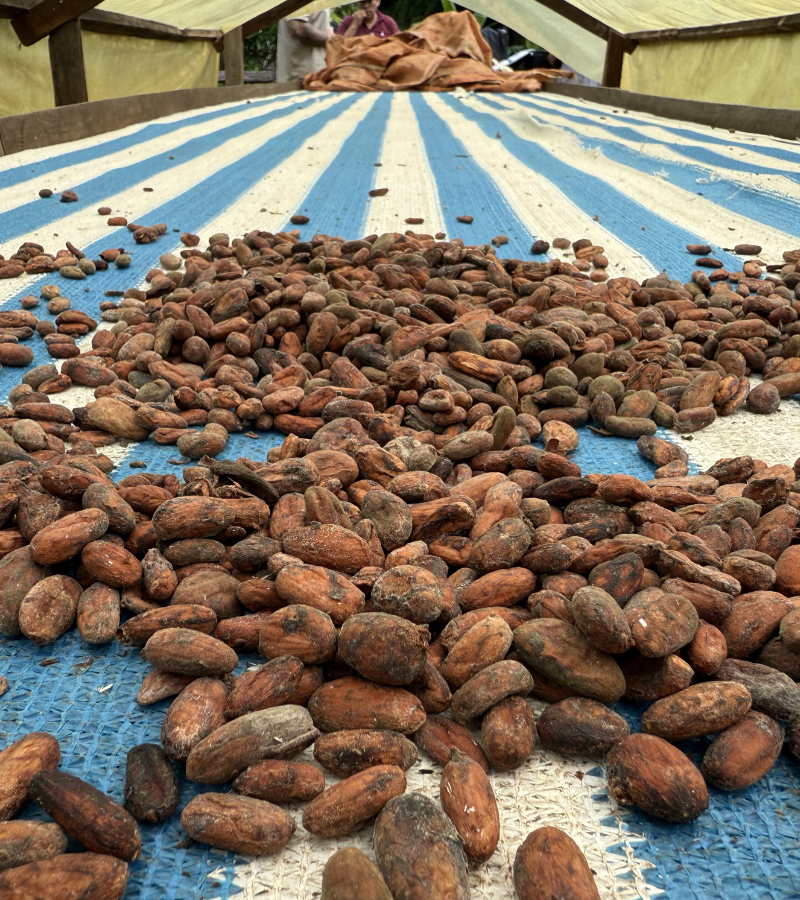
After fermentation the beans are still wet, so it’s time for a sunbath. Drying reduces moisture, locks in flavour, and keeps mould at bay. Some farmers use solar or mechanical dryers for consistency, but many still rely on the natural warmth of the sun.
Done right, this step preserves all the flavour built during fermentation.
5. Roasting Cocoa
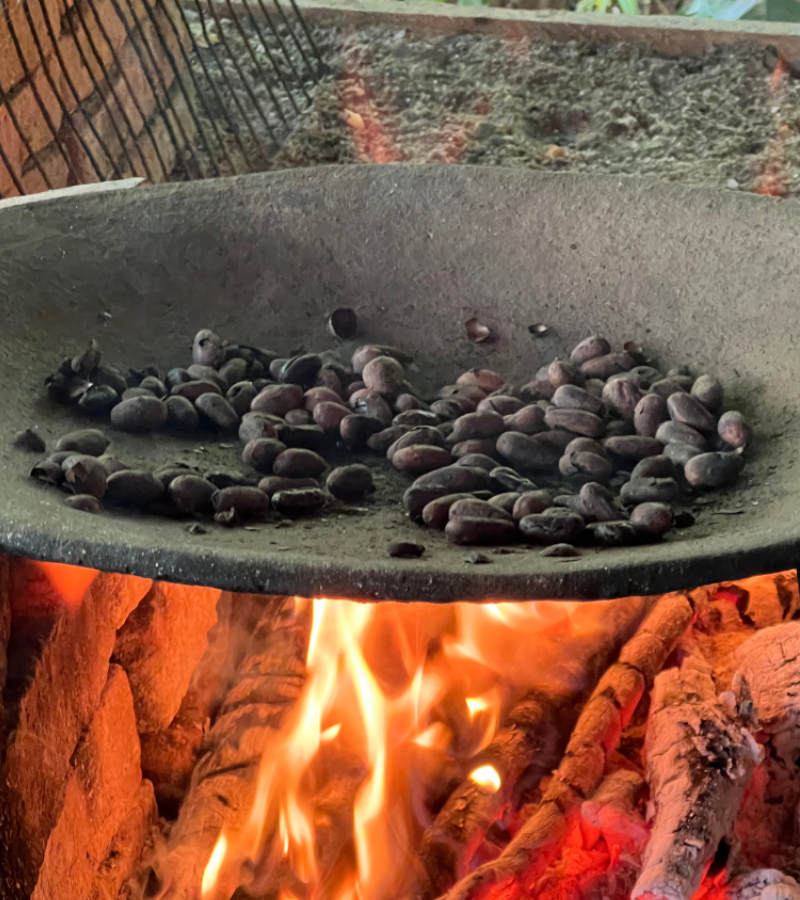
The actual cacao bean processing starts with roasting, where cocoa begins to show its true character. Beans are gently heated (usually between 120°C and 160°C) to deepen flavour, develop aroma, and tone down bitterness.
Lighter roasts highlight fruity or floral notes, while darker roasts bring more bold, nutty depth.
6. Cracking and Winnowing
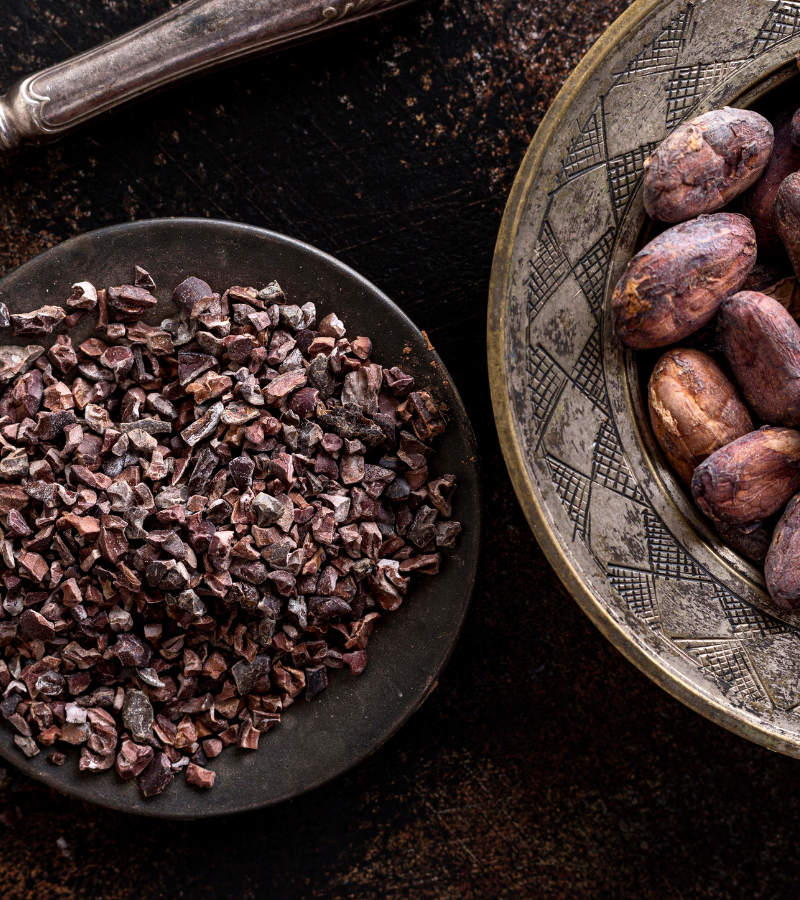
Once roasted, the cocoa beans are cracked open to reveal the nibs – the pure heart of the bean. During winnowing, the light, papery shells are separated from those rich, aromatic nibs inside.
These tiny cacao nibs carry everything we love about cocoa: intense flavour, natural cocoa butter, and deep, roasted notes. They’re the foundation for every chocolate creation that comes next.
7. Grinding and Liquor Formation
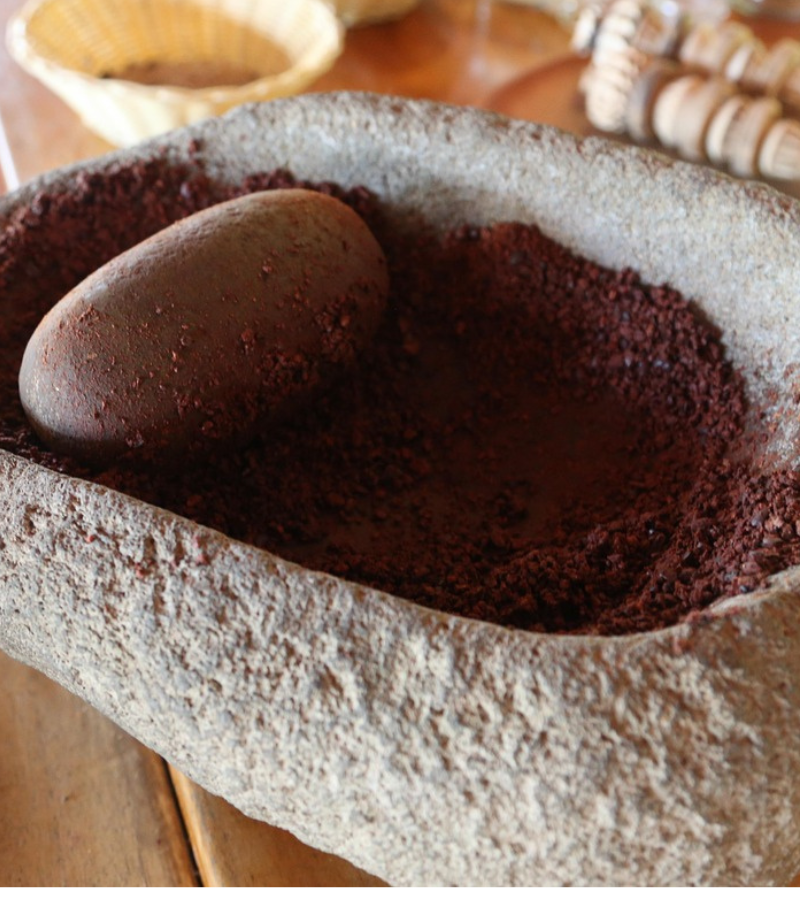
Next, those nibs are ground into a smooth, velvety paste known as cocoa liquor (or cocoa mass). As the nibs are crushed, their natural cocoa butter melts, creating a rich, glossy texture.
The quality of the grind affects everything from smoothness to taste. A well-made cocoa liquor is creamy, consistent, and full-bodied, forming the base for chocolate bars, baking cocoa, and beyond.
8. Optional: Alkalisation (Dutch Process)
Some cocoa makers take things a step further with a process called alkalisation, or “Dutching.” Here, the nibs or cocoa liquor are treated with an alkali to balance acidity, deepen colour, and create a milder, smoother flavour.
Dutch-processed cocoa is known for its rich hue and gentle taste. Learn more about alkalised vs. natural cocoa and discover what makes Dutch cocoa unique.
9. Pressing and Separation
Once the cocoa liquor is ready, it can be pressed to separate its two key components: cocoa solids and cocoa butter. The solids are dried and ground into cocoa powder. The butter is more smooth, pale, and fragrant. It becomes a hero ingredient in things like chocolate bars, pastries, and skincare.
This stage gives chocolatiers and bakers control over texture and richness, creating the perfect balance between melt-in-the-mouth smoothness and deep cocoa flavour.
10. Milling into Cocoa Powder
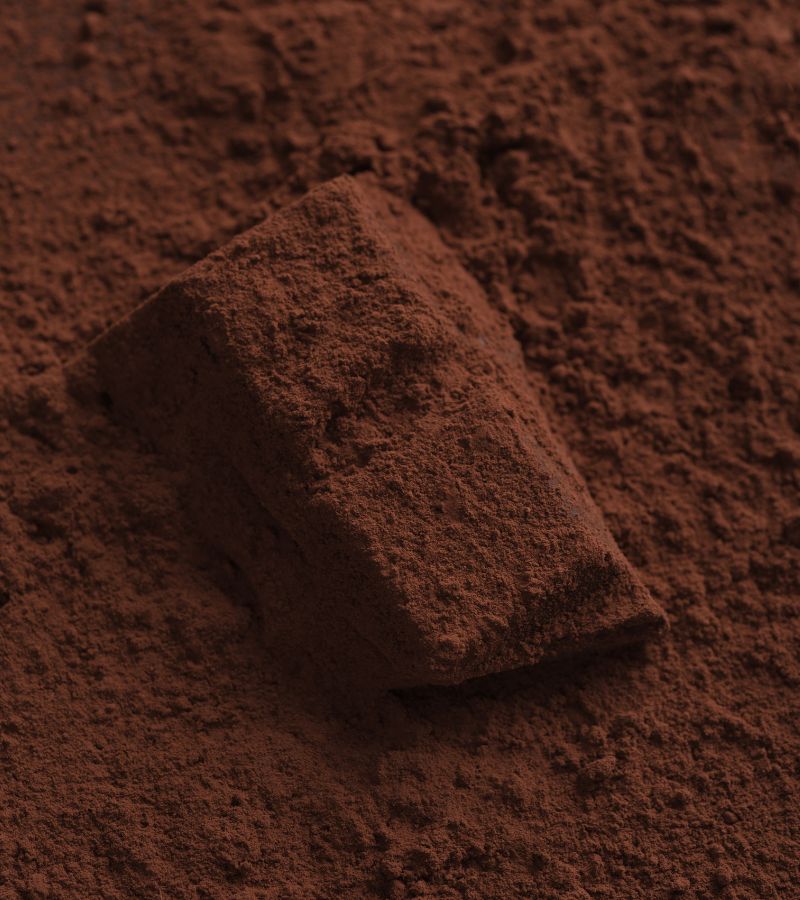
After pressing, the remaining cocoa “cake” is finely milled into the cocoa powder you know and love. The powder is then refined to ensure an even texture, rich colour, and consistent fat content. It’s what we use for quality baking and drinks.
From here, the cocoa is ready for your mixing bowl, whether you’re whisking up a midnight brownie batch or your morning hot chocolate.
Now, you curious bakers out there might be wondering: can’t I just mill cacao nibs into cocoa powder myself? Turns out you can. Check out our guide on how to grind cacao nibs into powder for the details.
11. Packaging & Transport
Once the cocoa’s ready, it needs a little TLC to preserve the flavour and quality. Beans and powders are packed tight, sealed away from light and air to keep every ounce of flavour fresh.
From there, it begins its next adventure: travelling from farm to factory, and finally, to your kitchen. Learn how cocoa travels from farm to factory and see why transparency matters.
12. From Process to Plate
Now the cocoa’s ready for its starring role. Whether you’re whisking, sipping, or sprinkling, the type you choose changes everything.
Natural cocoa is bright and tangy. Dutch-processed melts into smooth, deep flavour. Different moods, same delicious ending.
13. Creating and Baking your Favourite Cocoa Treats!
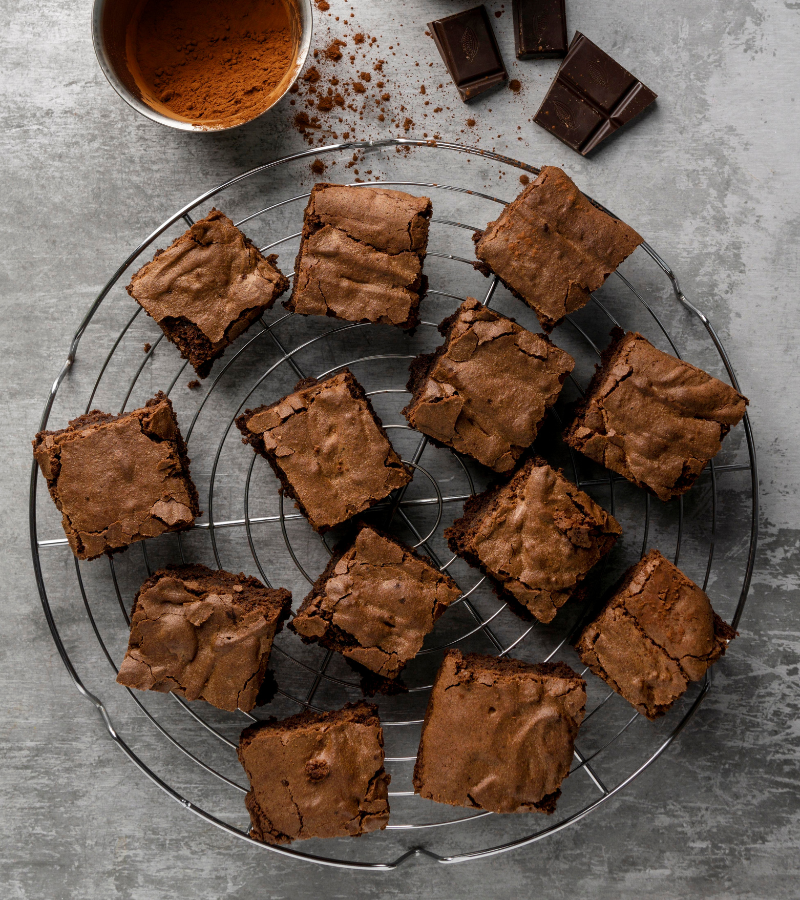
Now, time to turn all that care into something irresistible. Think fudgy brownies, silky cakes, or a mug of hot cocoa that feels like a hug.
Ready to get messy (in the best way)? Explore our cocoa recipes and start whisking up joy.
Sustainable and Ethical Cocoa Processing
Cocoa isn’t just about taste. It’s about people, places, and the planet that make it possible. Every bean has a backstory.
At The Cocoa Circle, we believe better cocoa means better business for everyone. That’s why we partner with farmers committed to sustainable practices, fair labour, and community-first programmes that keep profits flowing back where they belong.
Every bake you make with The Cocoa Circle cocoa supports that mission: helping farmers, strengthening communities, and building a sweeter, more sustainable future.
Cocoa Processing and Quality: What Makes the Best Cocoa
So there you have it, you’re officially a cocoa processing expert! You’ve got the inside scoop, from first ferment to the final grind. Gentle fermentation adds bright fruity, floral notes; careful roasting builds depth and richness; and fine grinding ensures a silky, melt-in-the-mouth feel.
Great cocoa doesn’t just taste good, it feels good. You’ll know it by its aroma, smooth consistency, and the story behind it: beans grown with care, traceable origins, and sustainable practices from farm to bake.
Explore our cocoa range and see where your next batch can take you.