
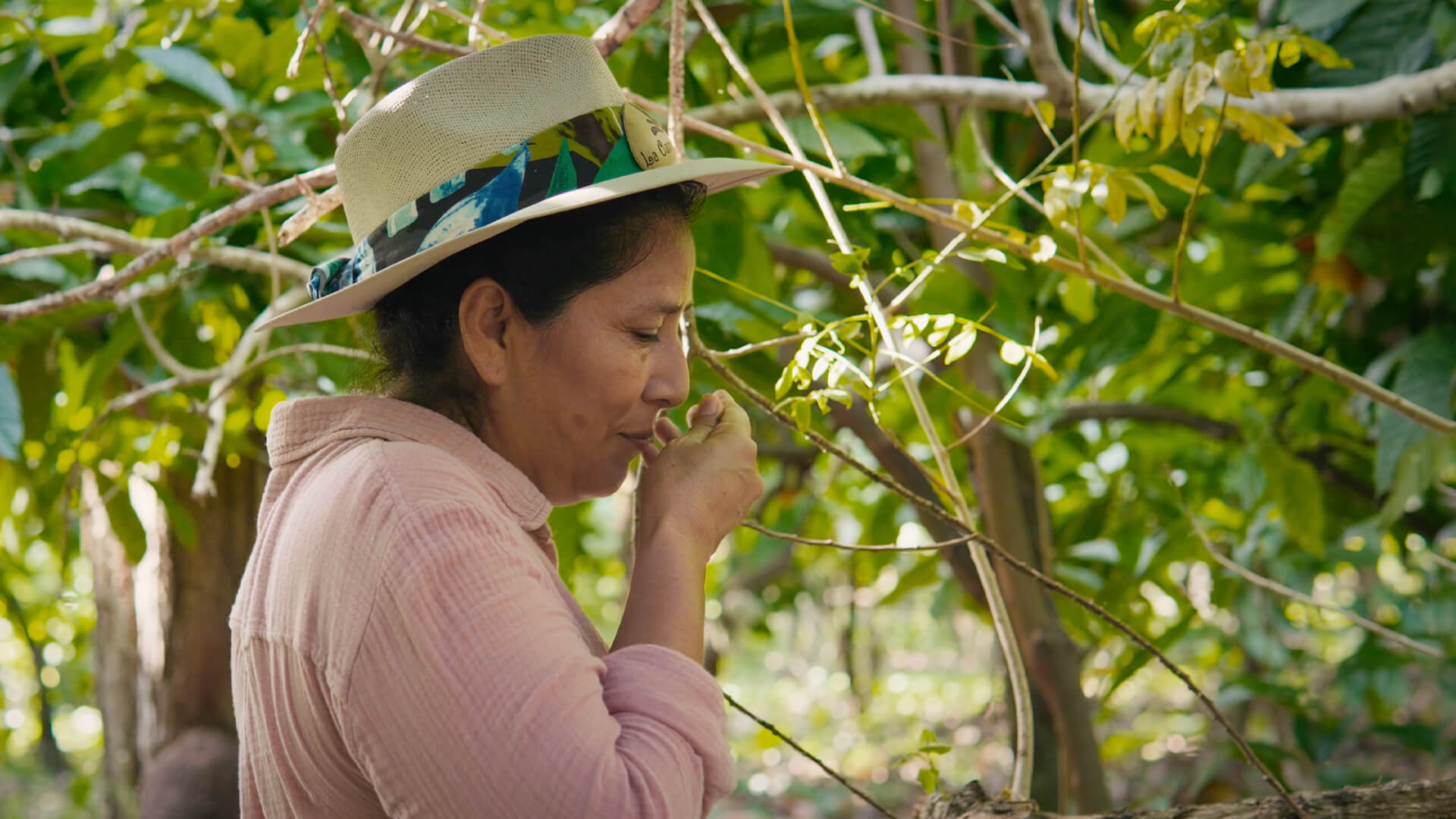
In the humid green heart of Tabasco, where the scent of cocoa hangs in the air and the soil tells stories of generations past, something remarkable is happening. Here, our final micro-project in Mexico, off the back of our first visit, came to life.
At La Campesina del Cacao, farming isn’t just farming, it’s an act of restoration, revival, and deep-rooted care. Led by Estela Lázaro, a quiet force of nature, and powered by a collective of eight women and four men, this cooperative in Tecolutilla is redefining what it means to grow cocoa.
When Estela speaks about La Campesina, she doesn’t talk about yields first, she talks about aspirations for the future. Dreams of regenerating tired soils, of replanting native trees, of keeping alive the ancient rituals of cocoa-making that have flavoured her community’s culture for centuries.
So when we first visited, we didn’t just see a farm, we stepped into a living classroom of agroecology, tradition, and quiet revolution. Rows of cocoa trees stood beside hand-prepared compost heaps and fermented biofertiliser barrels. Nothing wasted. Everything reused. Even fallen leaves had purpose, as Estela explained: “They aren’t rubbish, but something that helps us renew our own lands.”
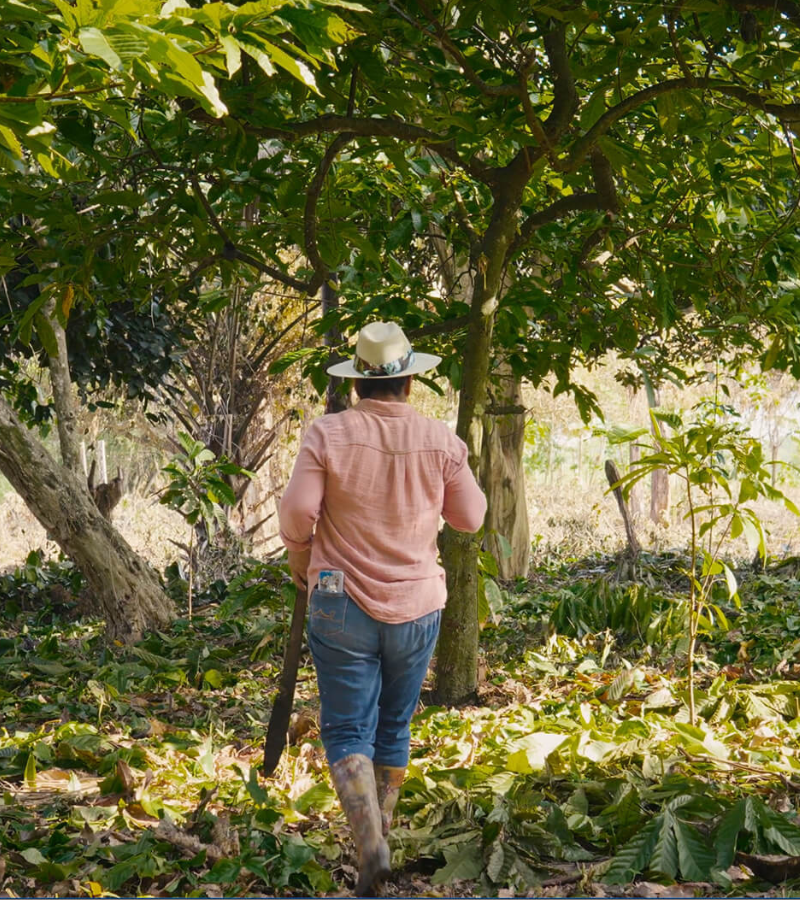
Inspired by their vision and already impressive regenerative work, we knew this wasn’t a place we wanted to simply observe. We wanted to walk alongside them. That’s why we partnered with La Campesina on a micro-project to support reforestation and regenerative cocoa plots. This is their story, one we’re proud to be a part of.
A Plot Left Behind
Before the micro-project began, one hectare of land at La Campesina sat unused, barren, compacted, and no longer productive. Years of degradation had stripped the soil of nutrients, and increasingly intense heat made recovery feel out of reach.
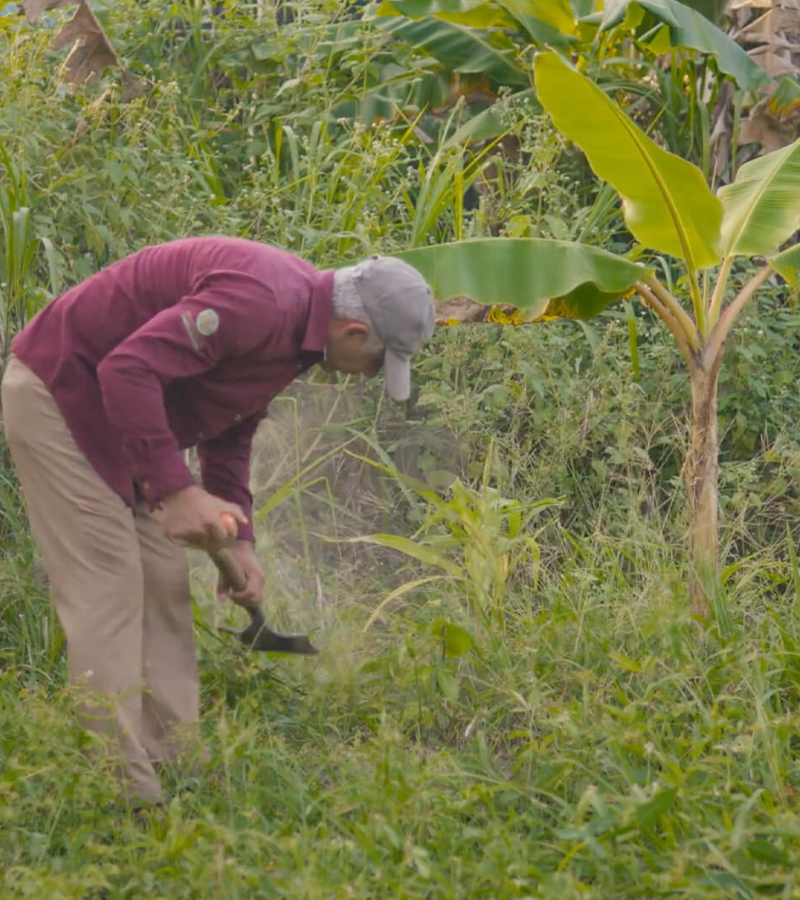
But Estela and her team saw potential where others might have seen loss. Instead of clearing it with machinery or relying on chemicals, they took the slower, regenerative path. Preparing natural biofertilisers from scratch, turning fallen leaves and old tree parts into compost, and allowing the soil time to heal. It was a patient process, made harder by unpredictable weather, but one rooted in deep belief: that the land could come back to life if given the chance.
They had already proven it possible to regenerate the land naturally on a neighbouring plot. But they were in need of a boost to bring the remaining land to life.
Reviving the Land
Estela and her team had shown that natural regeneration was possible, having revived a neighbouring plot using homemade composts, biofertilisers, and time-tested agroecological care. But restoring the remaining land, dry, compacted, and still struggling, required additional support to match their vision.
That’s where our micro-project came in. We were deeply inspired by everything La Campesina was already achieving: from regenerative planting techniques to cocoa gastronomy to community-led impact. So when the opportunity arose to collaborate, we knew we wanted to help scale their efforts and bring that dormant hectare back to life.
In our partnership, we took a bold step toward restoration. Together, we were able to:
- Transform one hectare of unused land into a thriving cocoa plantation, planting 500 new cocoa trees while carefully maintaining native vegetation.
- Reforest with shade trees and companion crops that nourish the land and protect young cocoa plants.
The cocoa trees might take a while to fully grow, but already, the farm is beginning to feel like a different world. Estela tells us that some migratory birds are returning—some species she’s never even seen before—and nesting in the new canopy. “Since we are deliberately producing forest with our cacao plantations, beautiful biodiversity is being developed with it”. A mutually beneficial relationship!
A Model for the Future
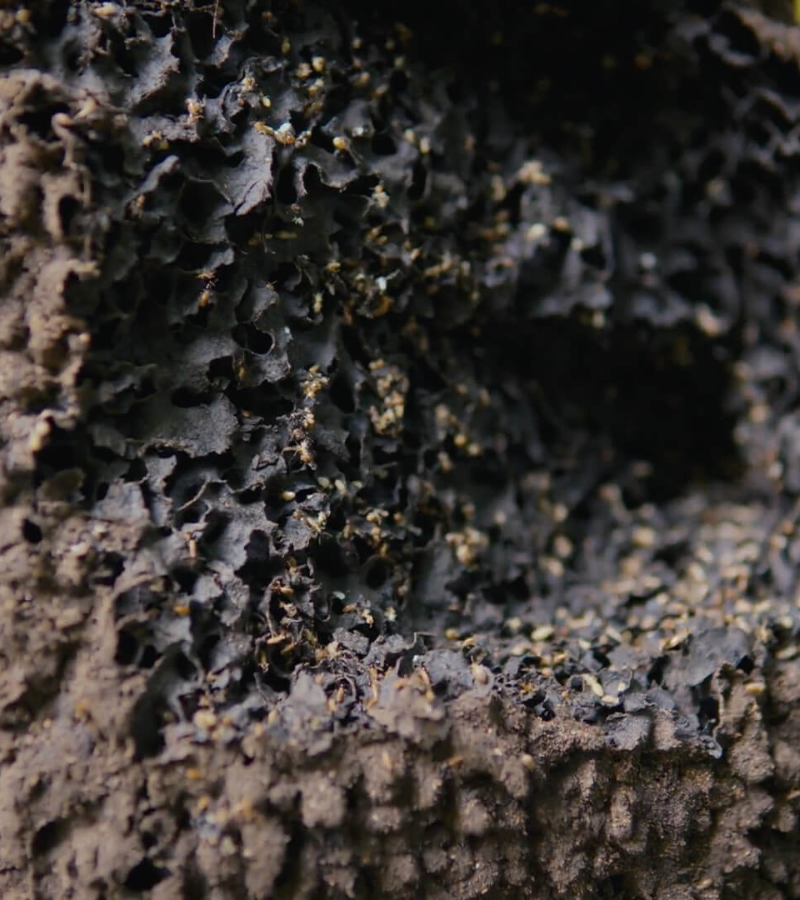
The work at La Campesina offers more than just beautiful cocoa beans. It’s a living example of how thoughtful farming can reverse environmental damage and create space for new life.
By prioritising reforestation, biodiversity, and climate change mitigation over short-term profit, this farm is becoming a beacon for other producers in Tabasco. Through workshops and local collaboration, Estela and her team are sharing what they’ve learned: that regenerative agriculture can preserve heritage and restore the future.
→ Watch Estela share what this regenerative project means for her in our latest episode.


